Sweet Spot on a Cheap Cloud GPU: MoE, Vision Ceilings, and VRAM Budgeting

Sweet Spot on a Cheap Cloud GPU: MoE, Vision Ceilings, and VRAM Budgeting

117 tokens per second from a “35-billion-parameter” model on a $0.27/hr GPU. The counterintuitive part: a smaller 27B model on the same GPU manages 33 tok/s — about 3.5× slower. The difference is not the parameter count on the spec sheet. It is how many of those parameters actually fire on every token.

This is the story of an afternoon spent learning to read a VRAM budget — and why “it fits” is the wrong question to ask.

LLM-First Docs: Karpathy's Idea Meets TOGAF and OKF

LLM-First Docs: Karpathy's Idea Meets TOGAF and OKF

We killed our Confluence wiki and rewrote the corporate Application Integration Architecture as markdown files — one entity per file, YAML frontmatter, relative links — that an LLM can traverse like a graph. The blueprint borrows structure from TOGAF, the file format from Google’s Open Knowledge Format, and the authoring philosophy from a single Andrej Karpathy gist.

From Local to Cloud GPU: Ollama on a Rented A100

From Local to Cloud GPU: Ollama on a Rented A100

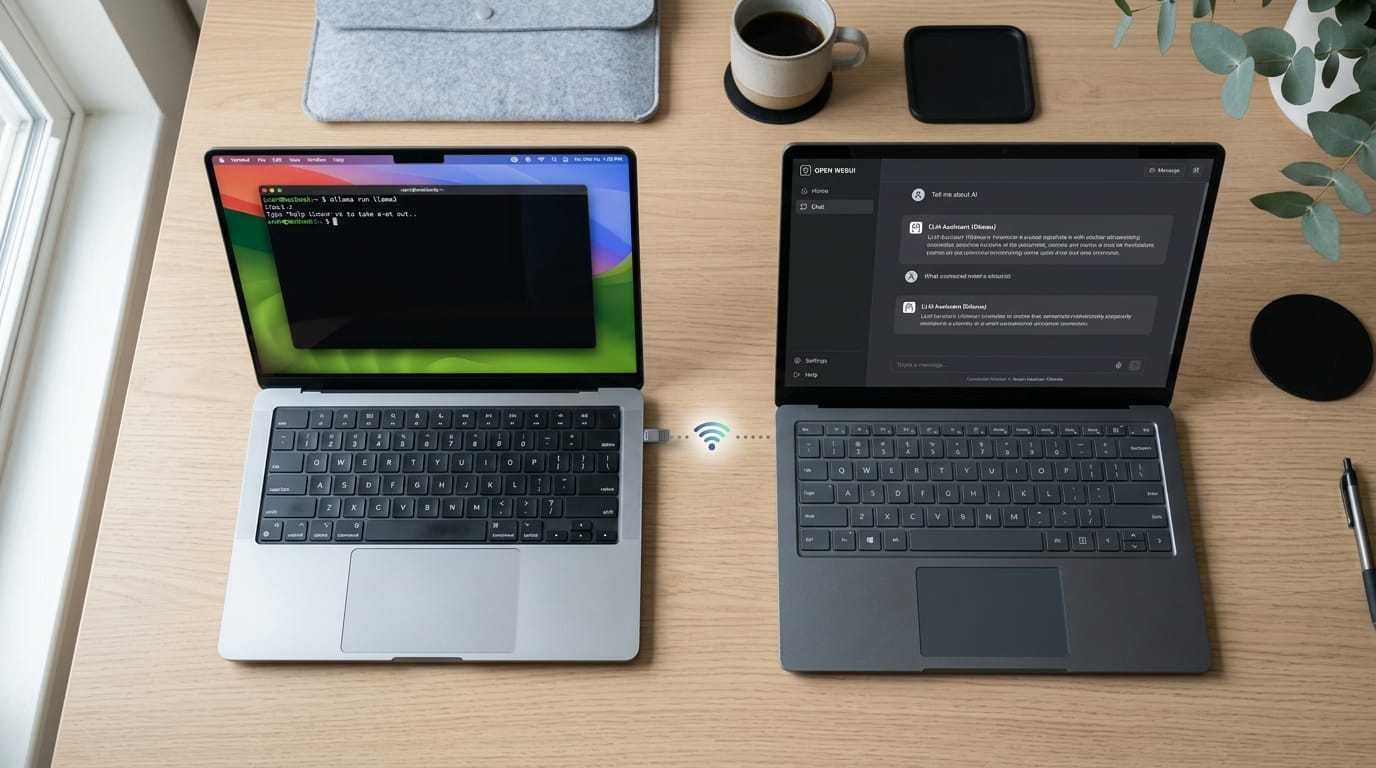
134 tokens per second on a 35-billion-parameter model. That is what an NVIDIA A100 produces for $1.40 an hour — rented in the cloud, no hardware to buy, no drivers to fight. The plan was simple: spin up a pod, install Ollama, and see what consumer-unfriendly hardware actually buys you.

The GPU vanished the next morning. And the cheaper replacement taught me something the A100 couldn’t.

Turn Any Web App Into an AI Agent: MCP Skills for Platforms Not Built for Automation

Turn Any Web App Into an AI Agent: MCP Skills for Platforms Not Built for Automation

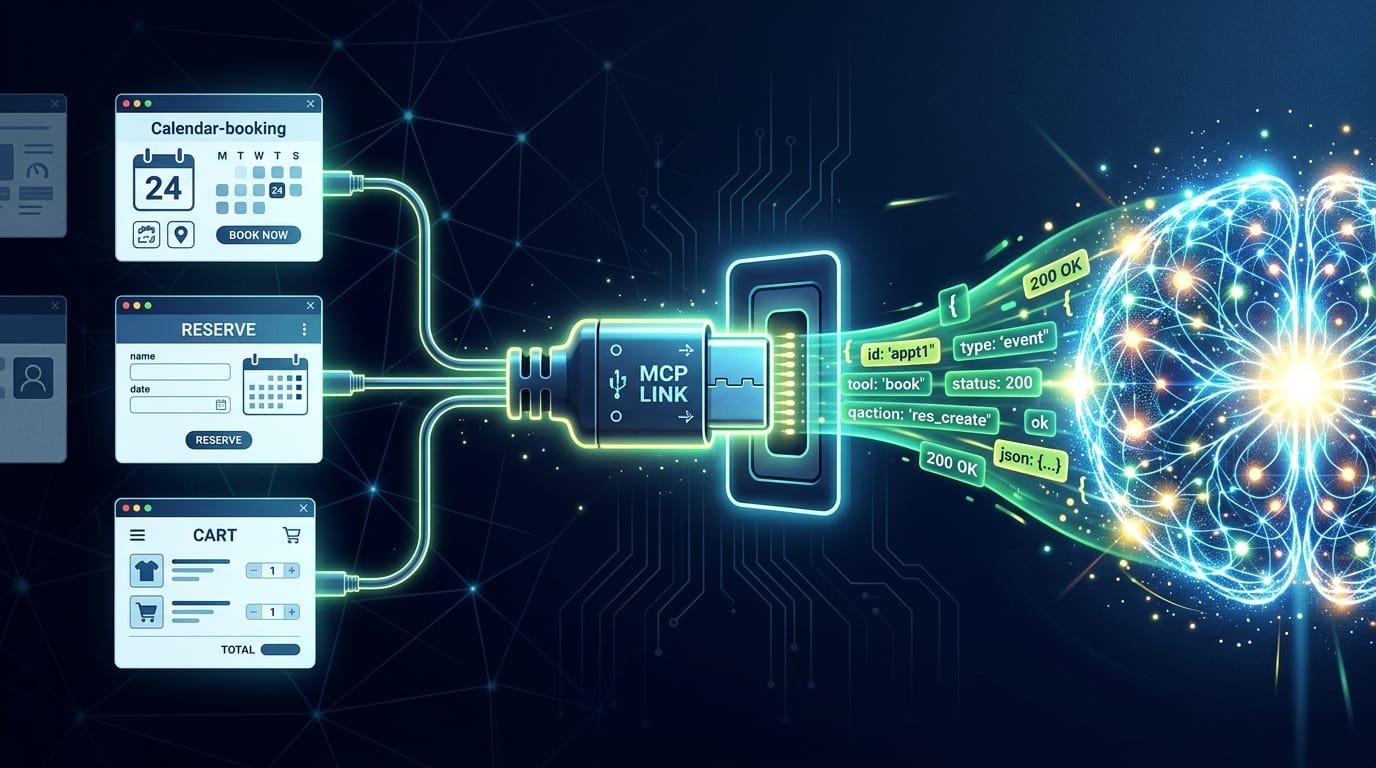
Most apps you rely on were never meant to be automated. They have a tap-here-tap-there UI for humans, a private backend, and no API in sight. This is about wrapping one of them — our office parking platform — as an MCP skill an AI agent can drive on its own, at midnight, every night. Eight tools. Eight failed payload guesses. Three independent ID spaces hiding behind every booking. And one bypass that really shouldn’t have worked.

The parking part is incidental. By the end you’ll have a recipe that works on the gym-booking site, the restaurant reservation page, the internal approval tool — anything with a web or mobile surface.

ESP32 WiFi Voltmeter: HTTPS, WebSocket, and Browser GPS Without an App

No app install. No Play Store. No pairing. Open your phone’s browser, accept a certificate warning, and see live voltage readings with GPS coordinates — pushed over an encrypted WebSocket every 400ms. The path from Bluetooth to this point took 5 iterations, one afternoon, and an AI coding agent that tested every change on real hardware.

MCP Server in an Evening: Letting AI Manage Our Office Parking

MCP Server in an Evening: Letting AI Manage Our Office Parking

What if you could just say “reserve parking for tomorrow” to your AI tool and have it actually happen? We built a MCP server in one Python file (~650 lines, zero frameworks) that does exactly that. Setup time: under 5 minutes. Dependencies: two pip packages. And now any MCP-compatible AI tool — OpenCode, Claude Desktop, whatever — can check, create, and cancel our office parking reservations through natural language.

E-Ink Dashboard: Repurposing an Old Kindle Paperwhite with RPi5

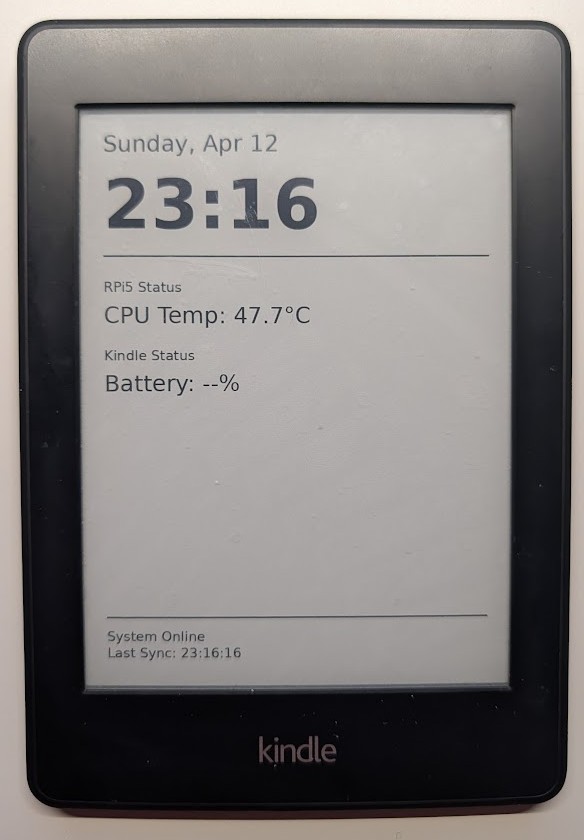
Don’t throw away that old Kindle gathering dust in your drawer. With its high-contrast E-ink display and incredible battery life, it is the perfect candidate for a low-power home dashboard. In this post, I’ll show you how I turned a Kindle Paperwhite 2 into a 2-hour refreshing dashboard powered by a Raspberry Pi 5.

ESP32 BLE Voltage Monitor: End-to-End in 6 Hours

A complete Bluetooth voltage monitoring system — ESP32 reads voltage via ADS1115 ADC, broadcasts over BLE GATT, and an Android app displays live readings in real time. Built end-to-end in ~6 hours across 3 platforms.

The goal: measure voltage wirelessly and display it on your phone. Simple enough, but it means touching embedded C++, Bluetooth protocols, and Android Kotlin — all in one session. Here’s how the 6 hours broke down and what we learned along the way.